A mythological history
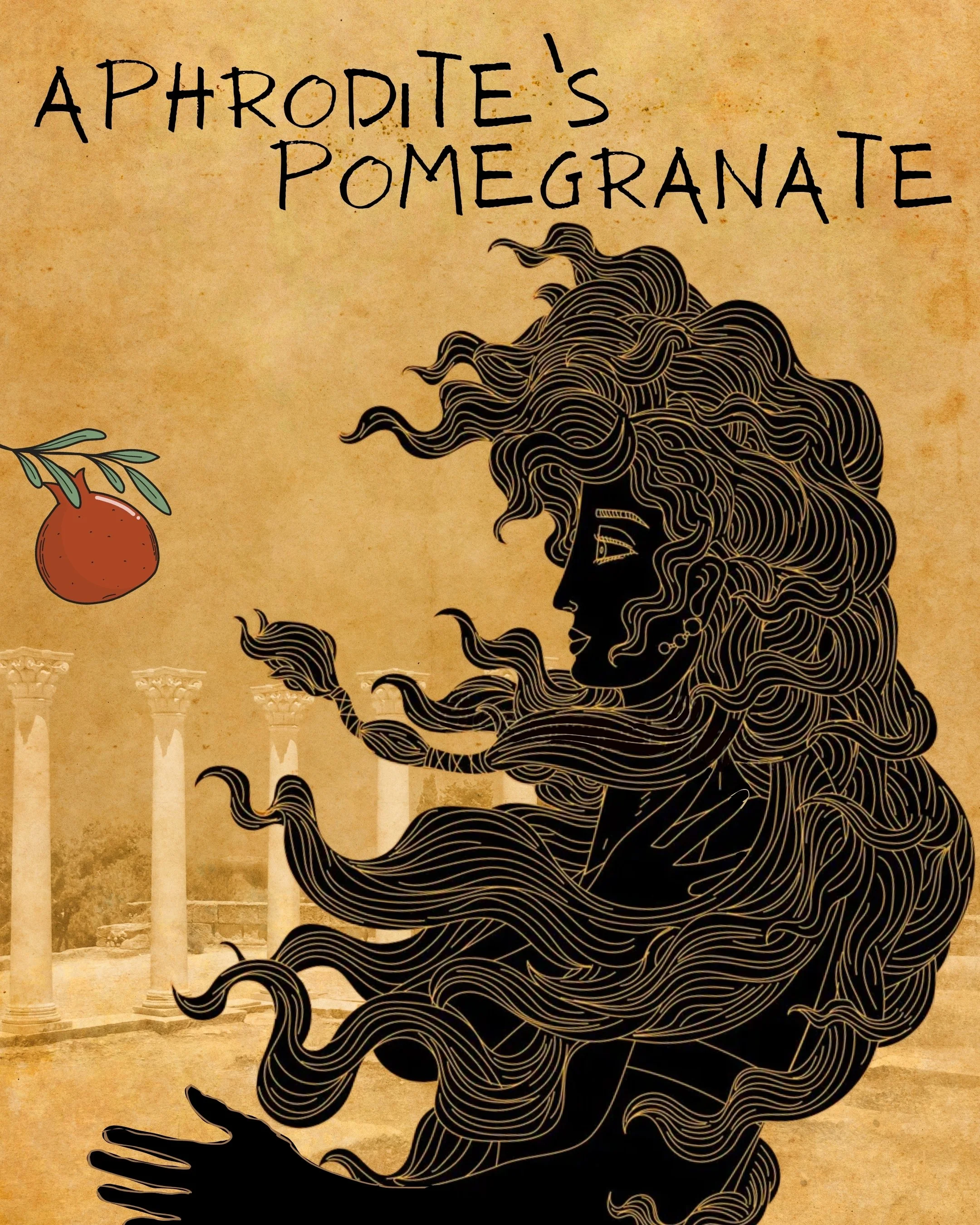
Pomegranate is thought to be the oldest cultivated fruit, dating back to 3000 B.C. The fruit with its pink-fleshed orb, bursting with ruby-red seeds and sweet red juice could entice anyone, and the gods and goddesses were no exception! Legend has it that Aphrodite, the goddess of love, planted a Pomegranate tree on the island of Cyprus. This is the only tree that Aphrodite ever planted, so it makes sense that the Pomegranate is attributed to her and her beauty.
The Pomegranate holds great cultural significance in Cyprus as well as parts of Greece, Turkey, and the Middle East. In many wedding traditions, the bride smashes a Pomegranate on the ground for good luck, and it is said that the number of seeds that fall out represents the number of children she will bear. This ritual is believed to promote fertility and the birth of many children for the couple.
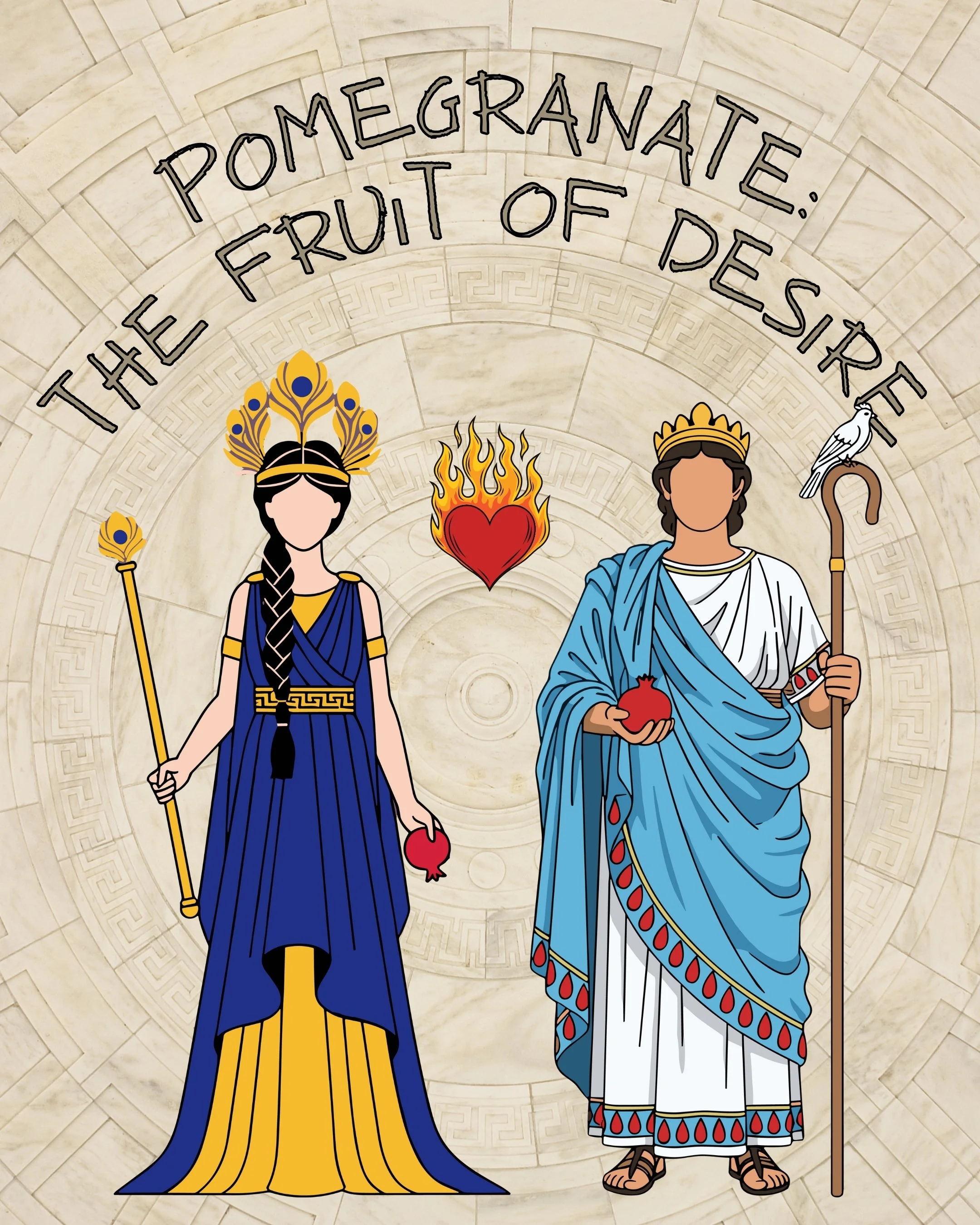
Aphrodite was not only the goddess of love, but the goddess of beauty, pleasure, and fertility. Greek mythology claims that she had the power to not only make anyone (man or god) fall in love with her, but that she had the ability to make people “lose their minds”— possibly where the term Aphrodisiac originates. It seems that the ancient Greeks knew the influence of the Pomegranate, and by associating this powerful fruit with the goddess of love and pleasure, modern science would one day affirm that the Pomegranate promotes more than just love.