
Unique Edibles for Your Garden
Rare fruit trees, unique flavors, and novelty fruits can transform your yard into a mystical orchard! Check out all of the unique edibles available here at the nursery.
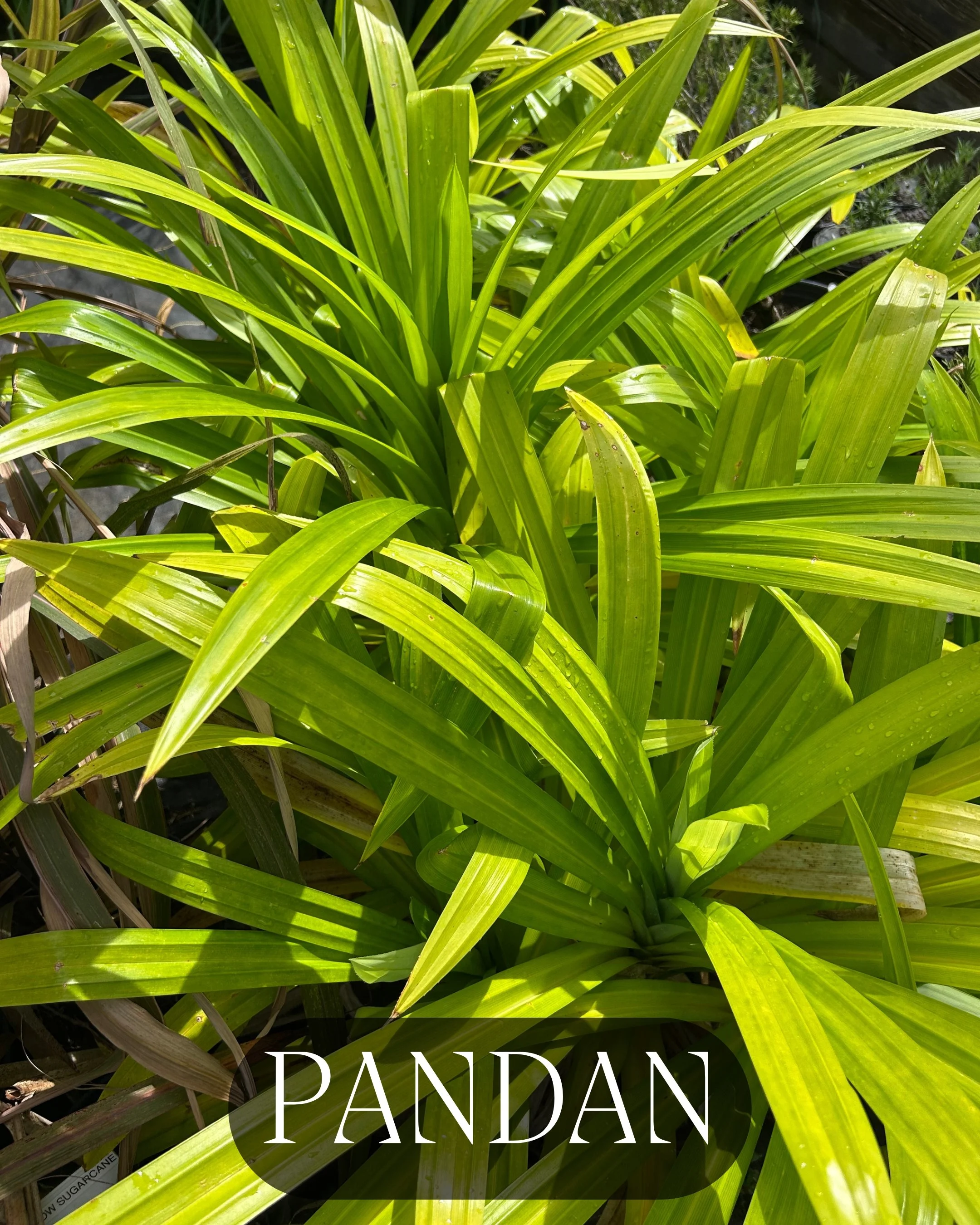
Pandan- Pandan leaf is a fragrant herb used in Southeast Asian cooking for its sweet flavor and aroma, similar to vanilla. It is typically infused into rice, desserts, and curries, as the leaf itself is tough and fibrous, making it difficult to eat. Its striking chartreuse-green color also makes it desirable to add a pop of color to your dish or dessert!
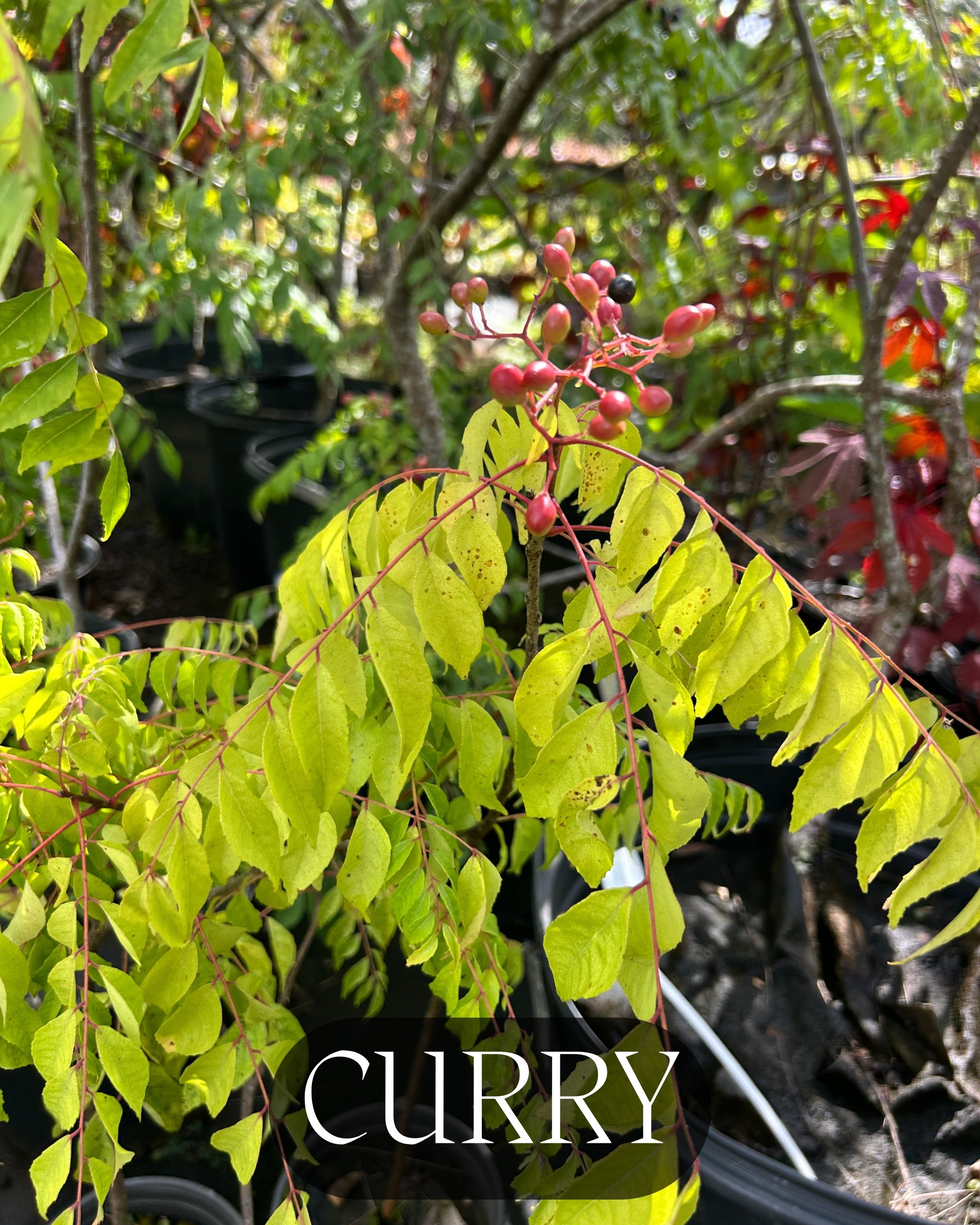
Curry- Curry leaves can be harvested fresh or dried to preserve for later use. The leaves are typically sautéed in ghee or hot oil to release the citrusy, nutty flavor to add to curries, dals, soups, chutneys, and other rice dishes. Dried curry leaves can be powdered and made into pastes for sauces and marinades. Along with the leaves, the Curry tree berry is also edible, though the seed in the center is toxic and should not be ingested.
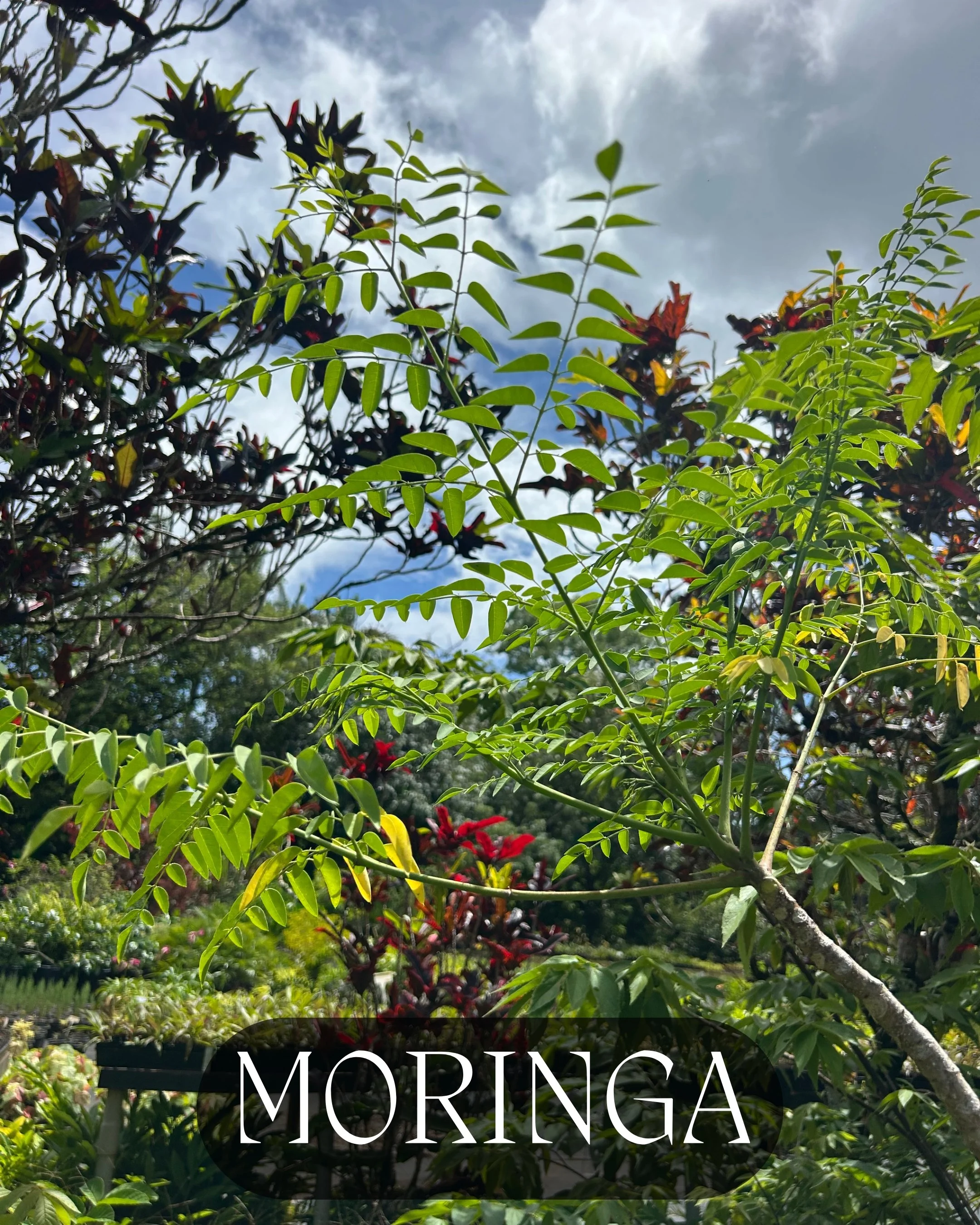
Moringa- The leaves of Moringa are known as a superfood for their ability to improve immunity, reduce inflammation, and enhance nutrient intake. The leaves are rich in vitamins, minerals, and protein. Moringa leaves have a bitter, peppery taste similar to arugula. The leaves can be consumed fresh, dried, or in a powdered form. Moringa powder is commonly added to smoothies, soups, curries, teas, or encapsulated as dietary supplements.
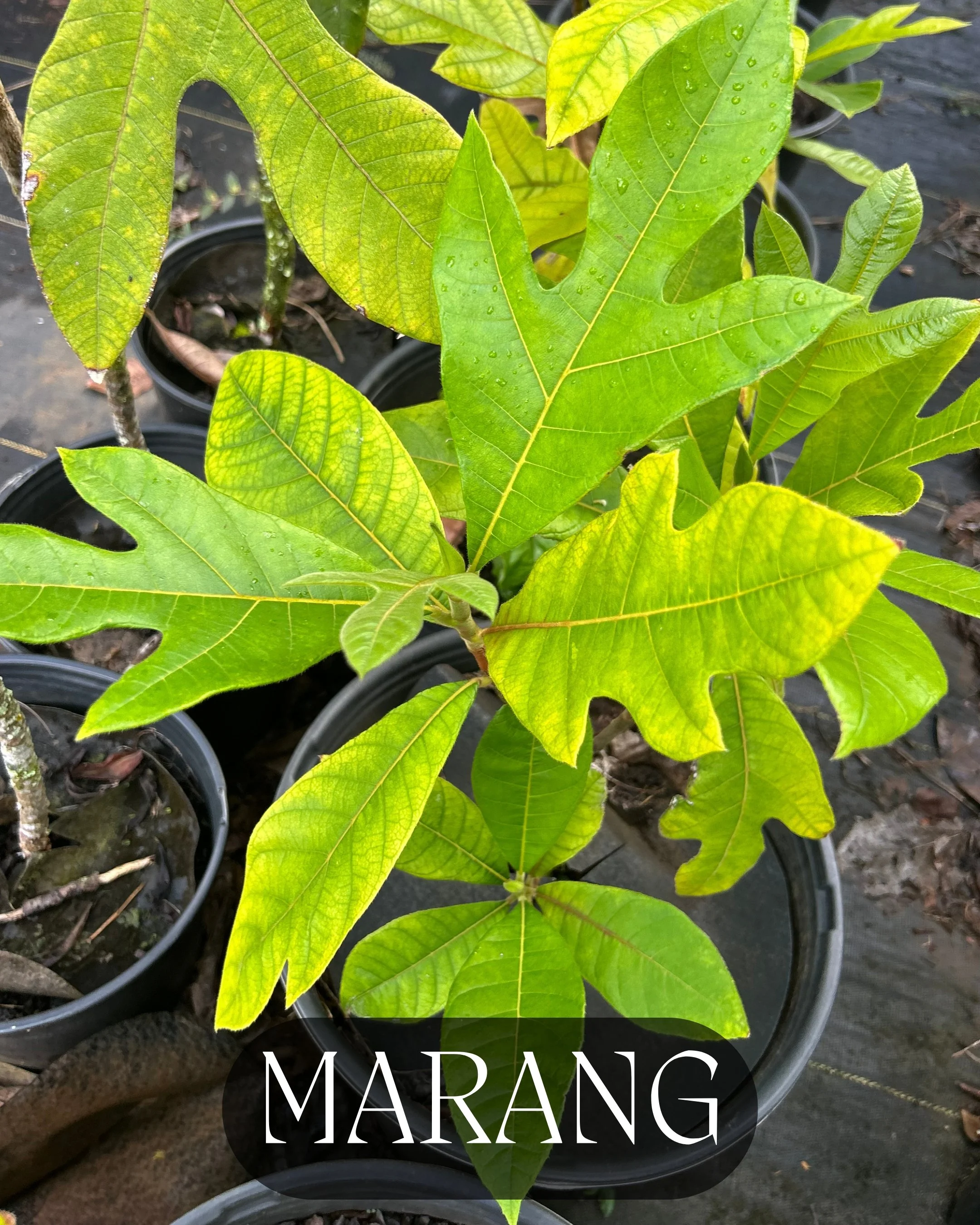
Marang- The Marang fruit has a spiky green rind and a creamy, white inside. The fruit softens as it ripens, leaving the inside with a custard-like texture that is aromatic and complex. People describe Marang’s flavor profile as a mix of banana, papaya, jackfruit, pineapple, and pear. Marang is best eaten fresh, as it perishes within a day or two of opening. Add the funky fruit to smoothies, milkshakes, ice cream, rice pudding, or parfaits to add a creamy texture and unique flavor! The seeds of Marang can be boiled or roasted as a starch or processed into flour.
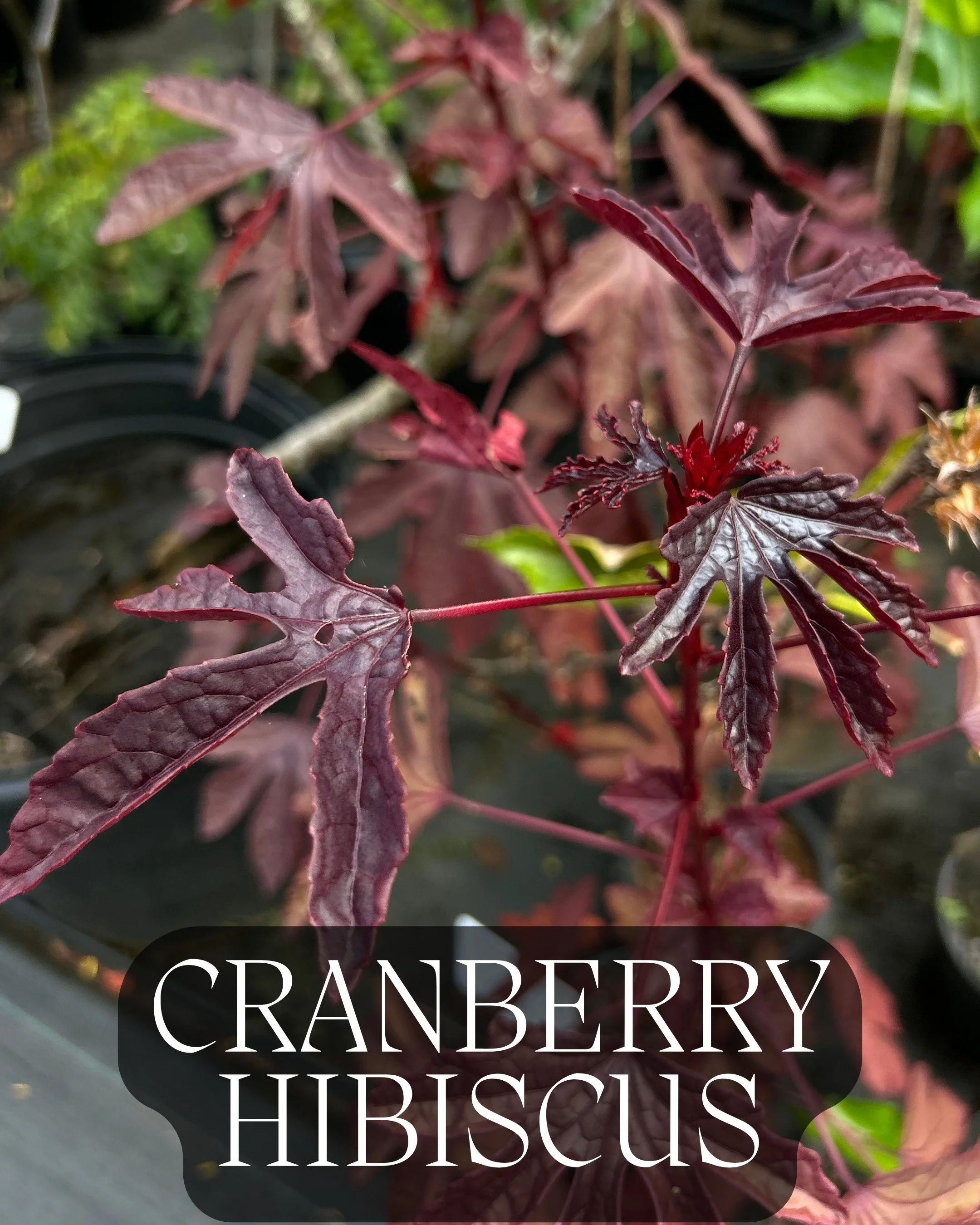
Cranberry Hibiscus- This culinary Hibiscus produces edible leaves, flowers, and calyces that can be consumed raw, cooked, or steeped. The most common use for Cranberry Hibiscus is hibiscus tea, which produces an antioxidant-rich drink with a vibrant red color. The leaves of the plant are also edible, with young leaves having a slightly sour flavor similar to cranberries. These leaves can be incorporated into salads or cooked in soups and stir-fries. Along with tea, calyces can be used to make jams or sauces for desserts, meats, or vegetables!
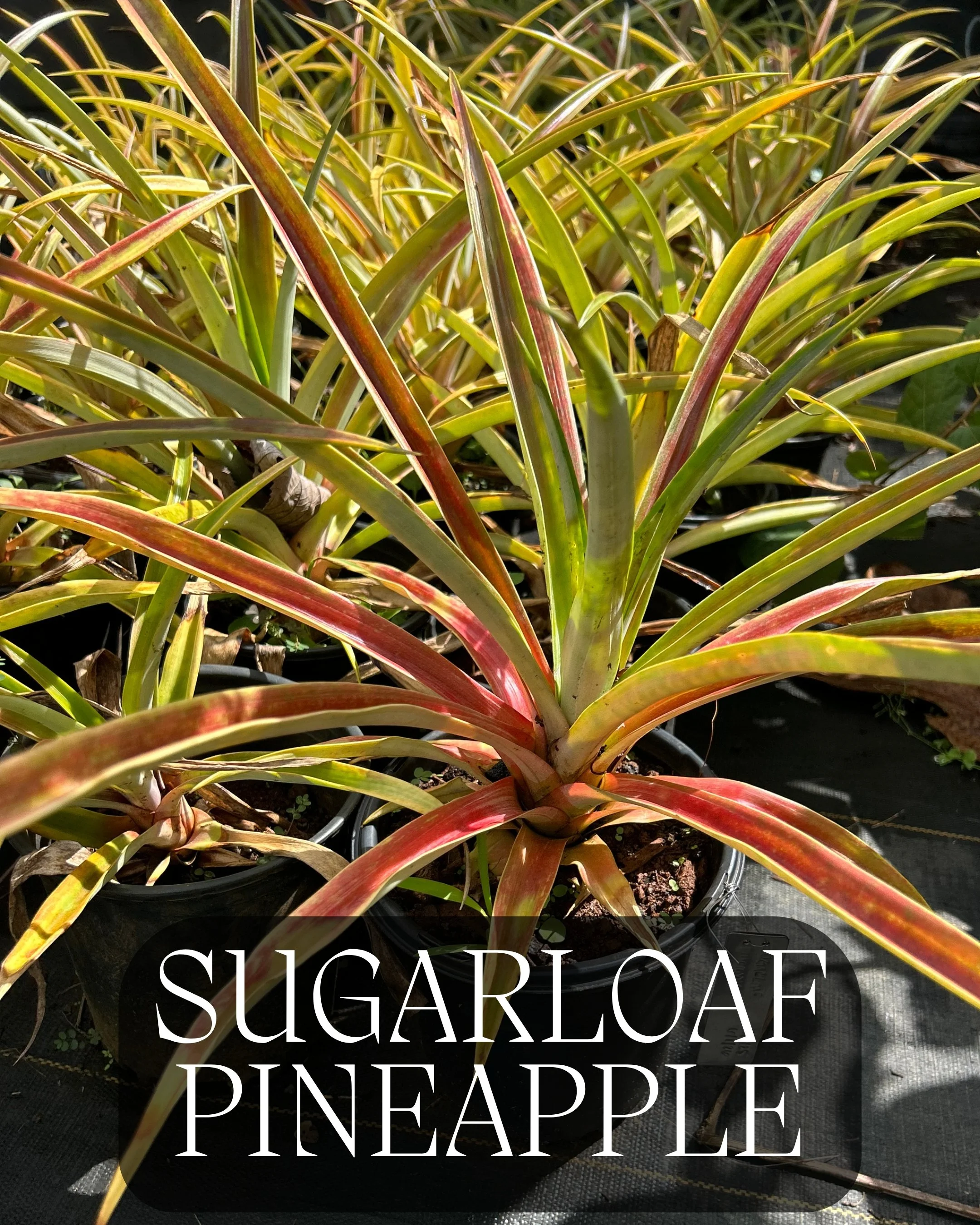
Sugarloaf Pineapple- Highly desirable, the Sugarloaf Pineapple, with its crisp, white inside, is sweet and tasty! The fruit has a low acid content, making the flavor smooth and not as tart, allowing the natural sugars to come through. The flavor is described as having notes of mango, guava, banana, citrus, vanilla, coconut, and honey. The flavor is much less tangy than the typical yellow-fleshed Pineapples, making it very appealing to those who shy away from tart fruit flavors. And a bonus: Sugarloaf Pineapple has an edible core! Sugarloaf can be eaten fresh or added to desserts, smoothies, or cocktails. You can even add it to savory dishes to balance out spicy or salty flavors!
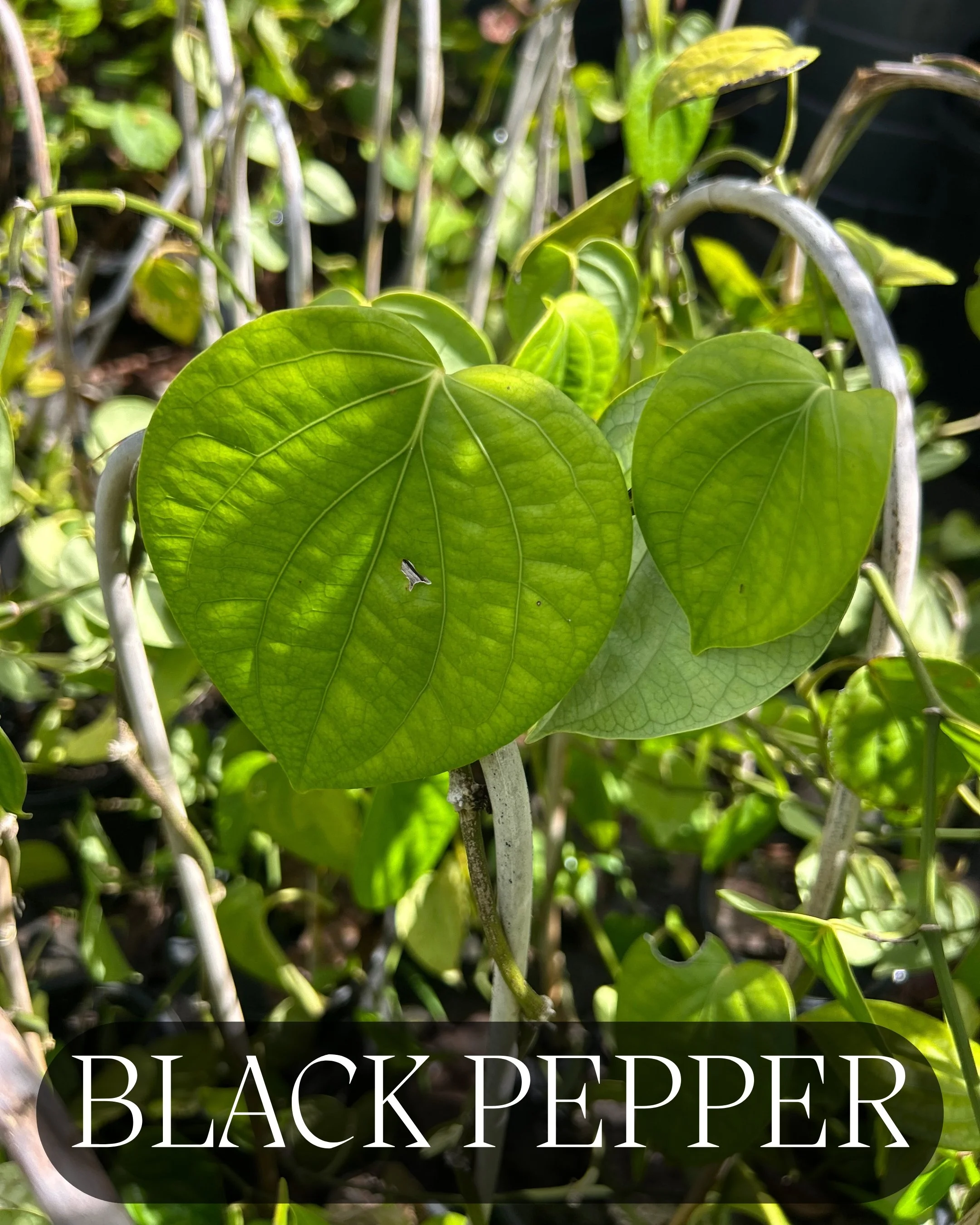
Black Pepper Vine- This vigorous and ornamental vine produces small flowers on pendulous spikes that fruit into peppercorns. The vine can climb 13 to 30 feet in height, and is best grown on a tree, pole, or trellis. The peppercorn fruit changes color depending on maturity. For the best taste and aroma, pick the berries when they are a reddish-yellow color. Spread out the berries in the sun to dry out and reduce moisture.
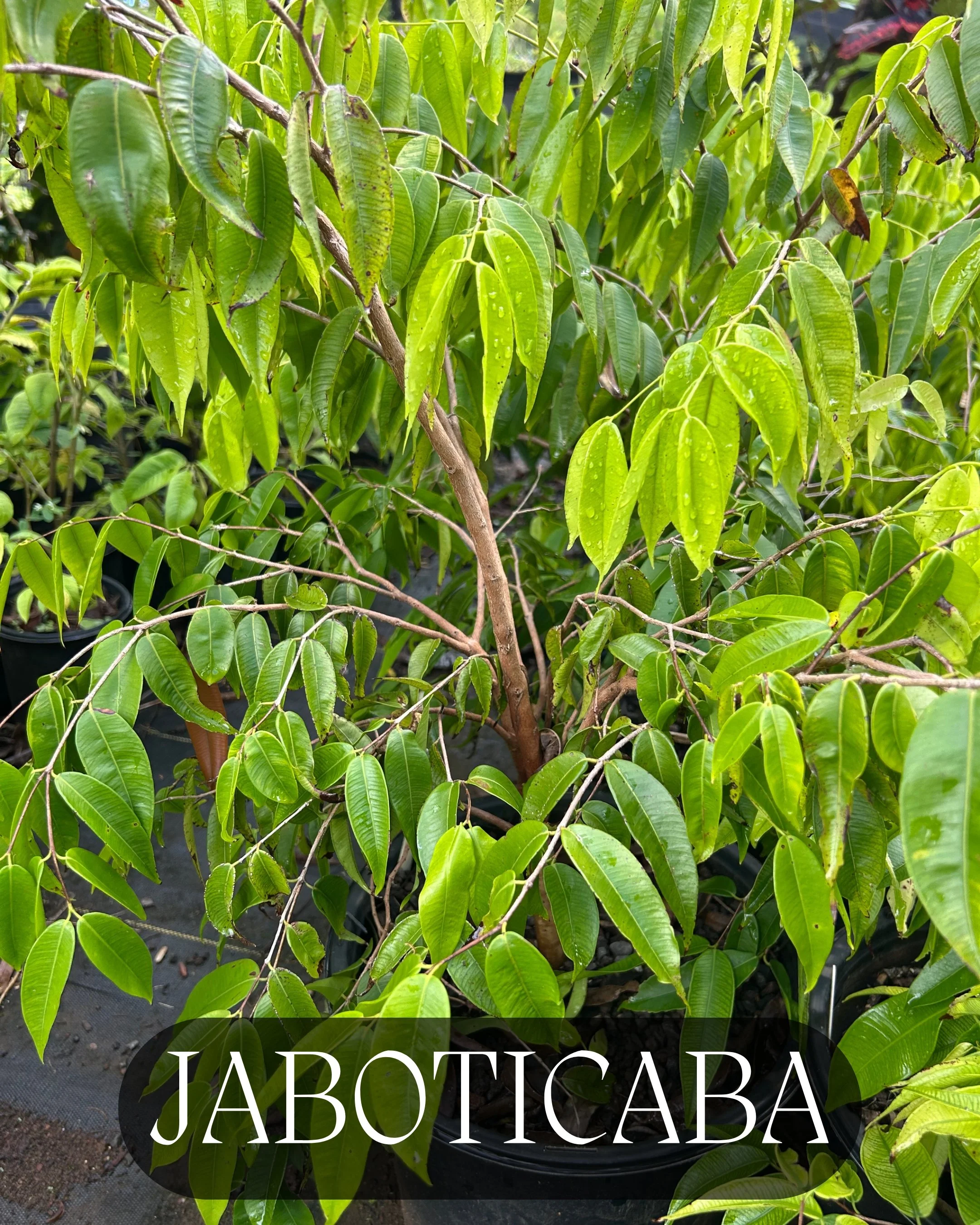
Jaboticaba- Also known as Brazilian Grapetree, Jaboticaba is a slow-growing tree that produces purplish-black fruits directly on its trunk. The inside of the fruit is white-fleshed and can be eaten raw or used to make jelly, jam, juice, or wine. The fruit has thick skin and can be 1.2-1.6” in size. Jaboticaba is typically eaten fresh, as they have a short shelf life. The fruit can also be preserved and fermented. Because Jaboticaba trees are slow-growing, they are also popularly grown as bonsai or container ornamental plants!
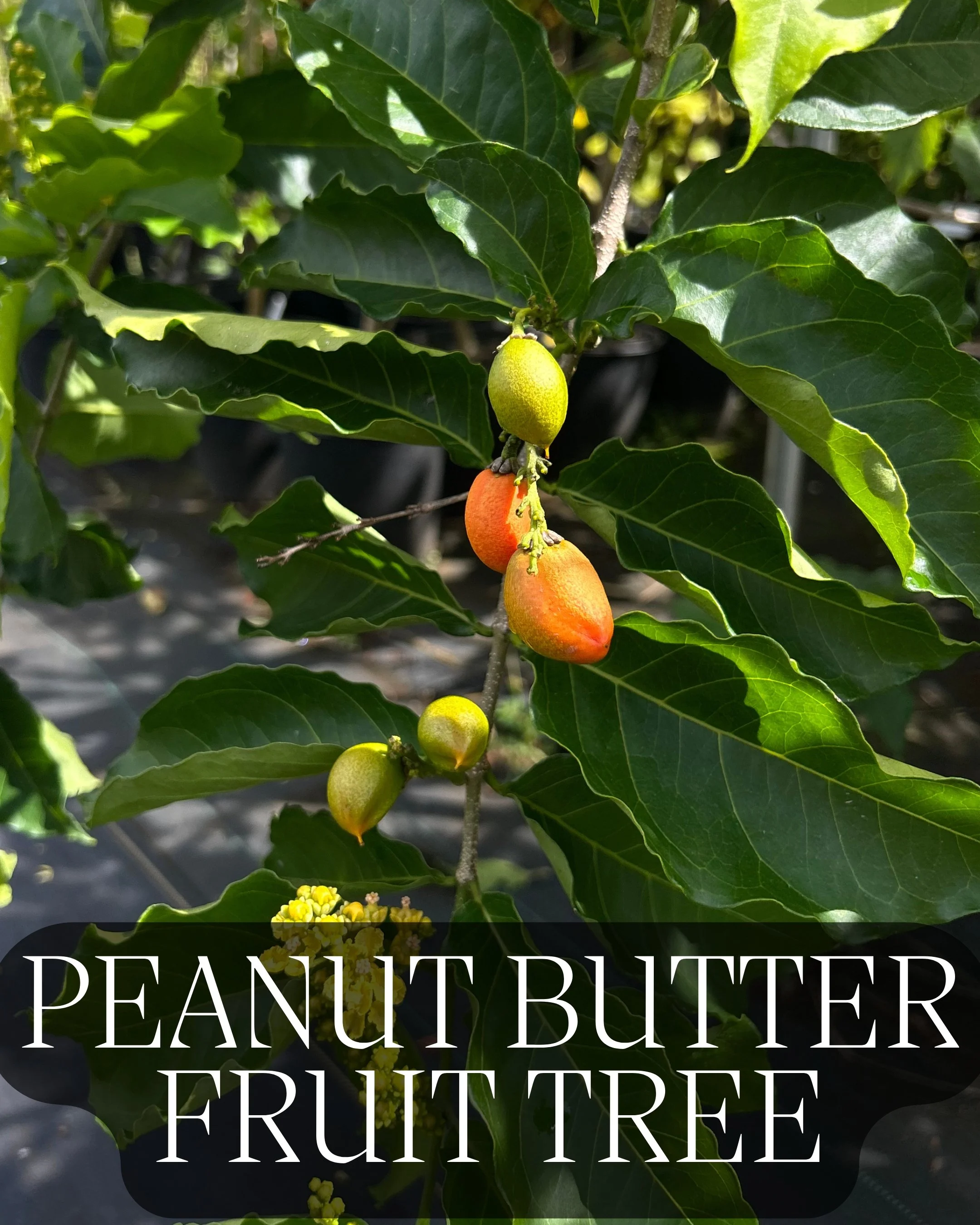
Peanut Butter Fruit Tree- A novelty fruit tree, the Peanut Butter Tree produces small, teardrop-shaped fruits that have a flavor reminiscent of peanut butter! Before fruiting, the tree puts out small yellow flowers that are very attractive, and the flowers are self-pollinating. This tree can grow up to 20 feet tall and has a huge canopy. The leaves are broad and form a dense, desirable canopy. The fruit is ripe when it gets to about an inch long, slightly soft, and the skin fades to an orange-red color. The fruit is soft, sweet, and sometimes sticky. It can be eaten fresh or blended into smoothies or used in jams and desserts. This tree can also be grown indoors in a pot. The tree will naturally remain smaller when grown in a container and be more manageable. The tree also has ornamental appeal for its bright green foliage, broad canopy, and yellow flower clusters.
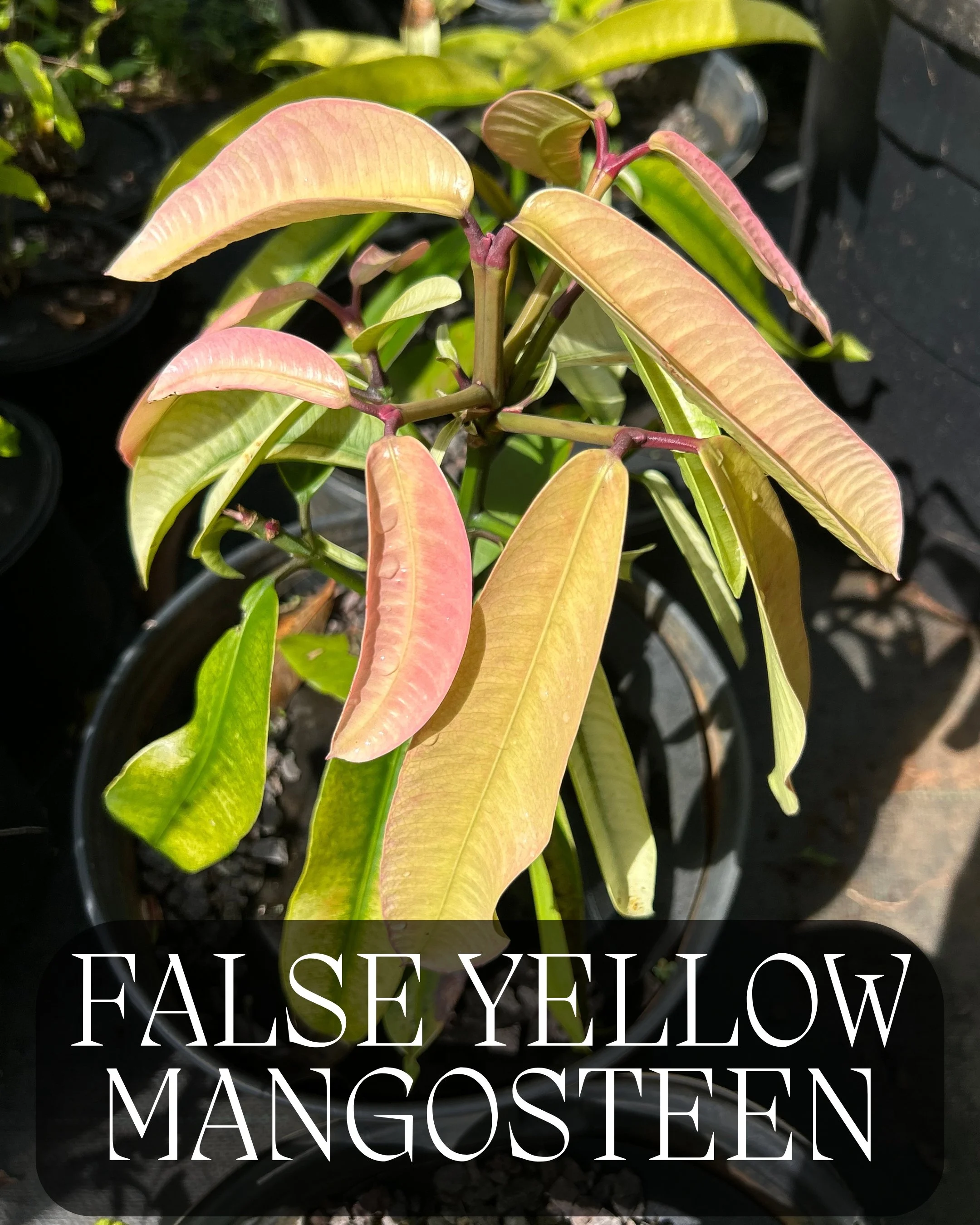
False Yellow Mangosteen- Commonly called Gamboge, Sour Mangosteen, or Yellow Mangosteen, this tree produces a fruit with a juicy, acidic, sweet pulp. The pulp has a tangy, lemon-mango flavor and can be used fresh in preserves, jellies, chutneys, sherbets, and vinegars. False Yellow Mangosteen produces small, greenish-white flowers that are fragrant and grow in dense clusters. This tree is very slow-growing, and seedlings can take over 7 years to bear fruit. The tree can grow 25 to 50 feet tall and grows in a dense, pyramidal shape, making it very desirable as an ornamental tree.
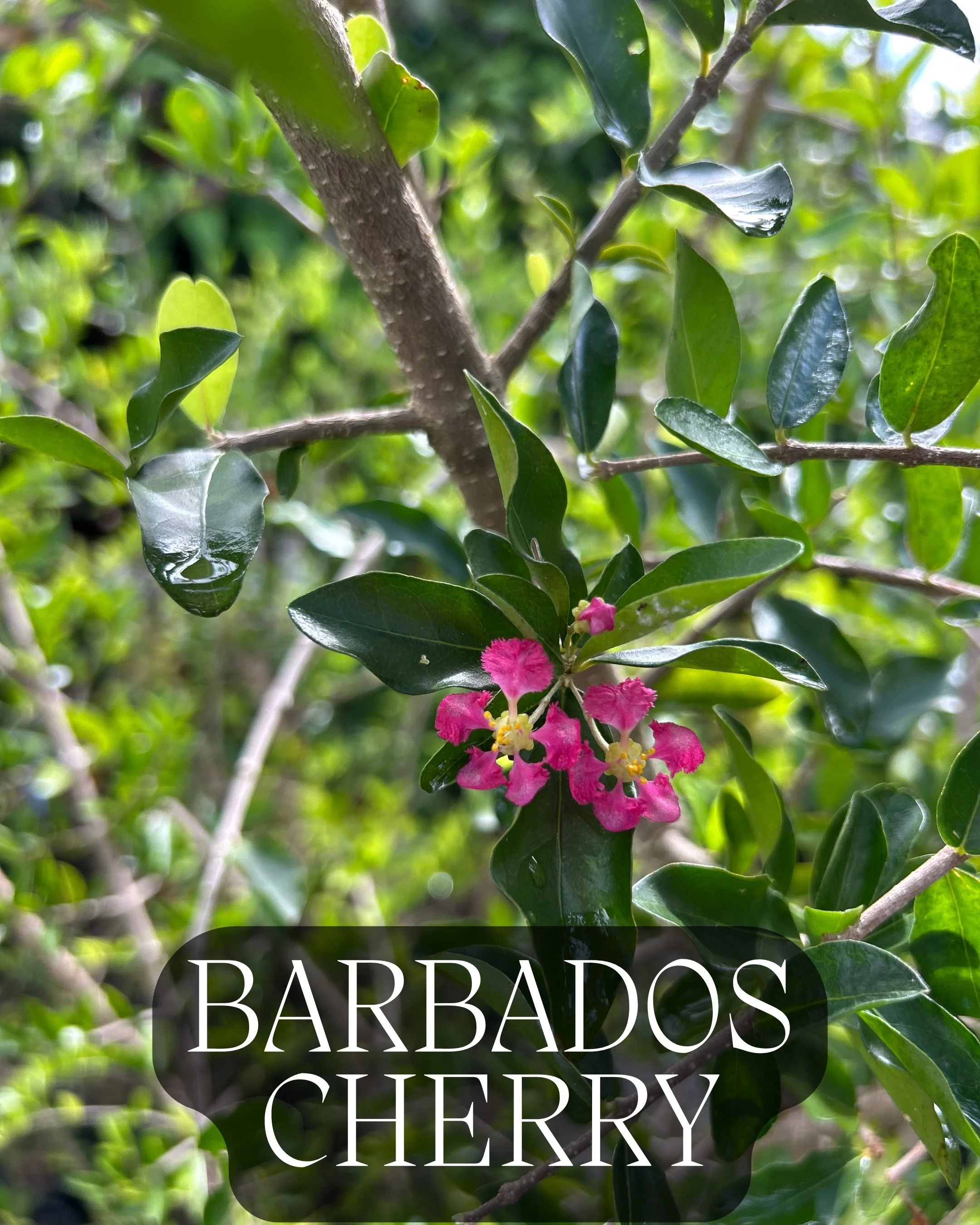
Barbados Cherry- Also called Acerola Cherry, this small tree or bushy shrub produces vivid, crimson-red fruits that are rich in vitamin C. The cherry is soft, juicy, and has a sweet-tart flavor. The fruit is ideal for juices, jams, or nutritional supplements. The fruit bruises easily, so it should be harvested once turned fully red and consumed or processed quickly. The tree can reach 20 feet in height, but is commonly grown shorter, as shorter shrubs are more ideal for harvesting and ornamental purposes. The tree blooms fragrant white or pink flowers throughout the summer months, and begins producing fruit within 1 to 2 years of planting. The tree is self-pollinating and can produce multiple times a year!
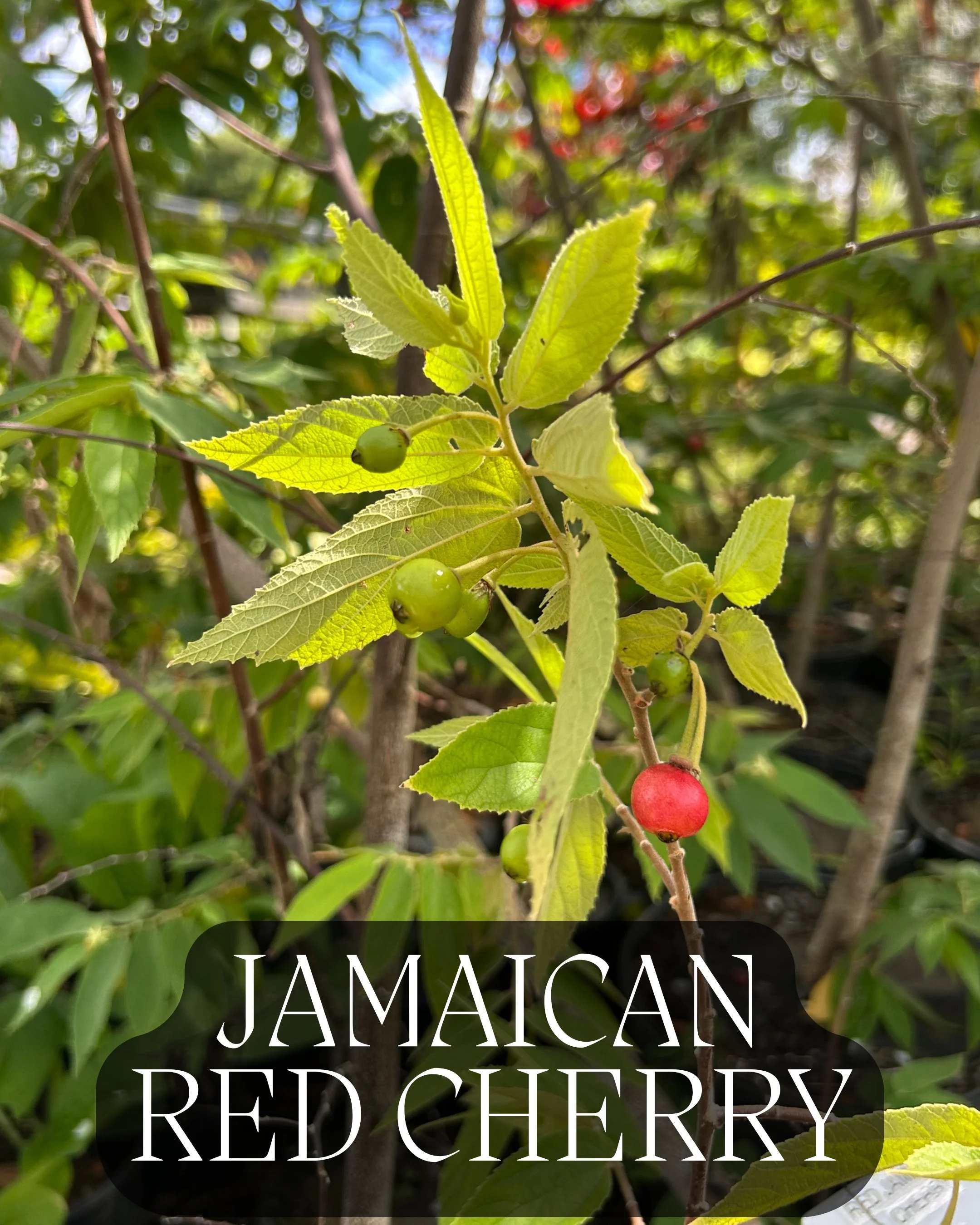
Red Jamaican Cherry- Commonly referred to as Strawberry Tree, the Red Jamaican Cherry produces small red berries with a thin skin and soft flesh. The cherry flavor is described as musky and sweet, similar in taste to cotton candy or fig. They are most popularly eaten raw, but can also be used for jams, preserves, desserts, or added to beverages or salads. The tree itself is considered low-maintenance and fast-growing. It is suitable for edible landscapes or growing in a container. These trees fruit quickly and can produce multiple yields in a year.
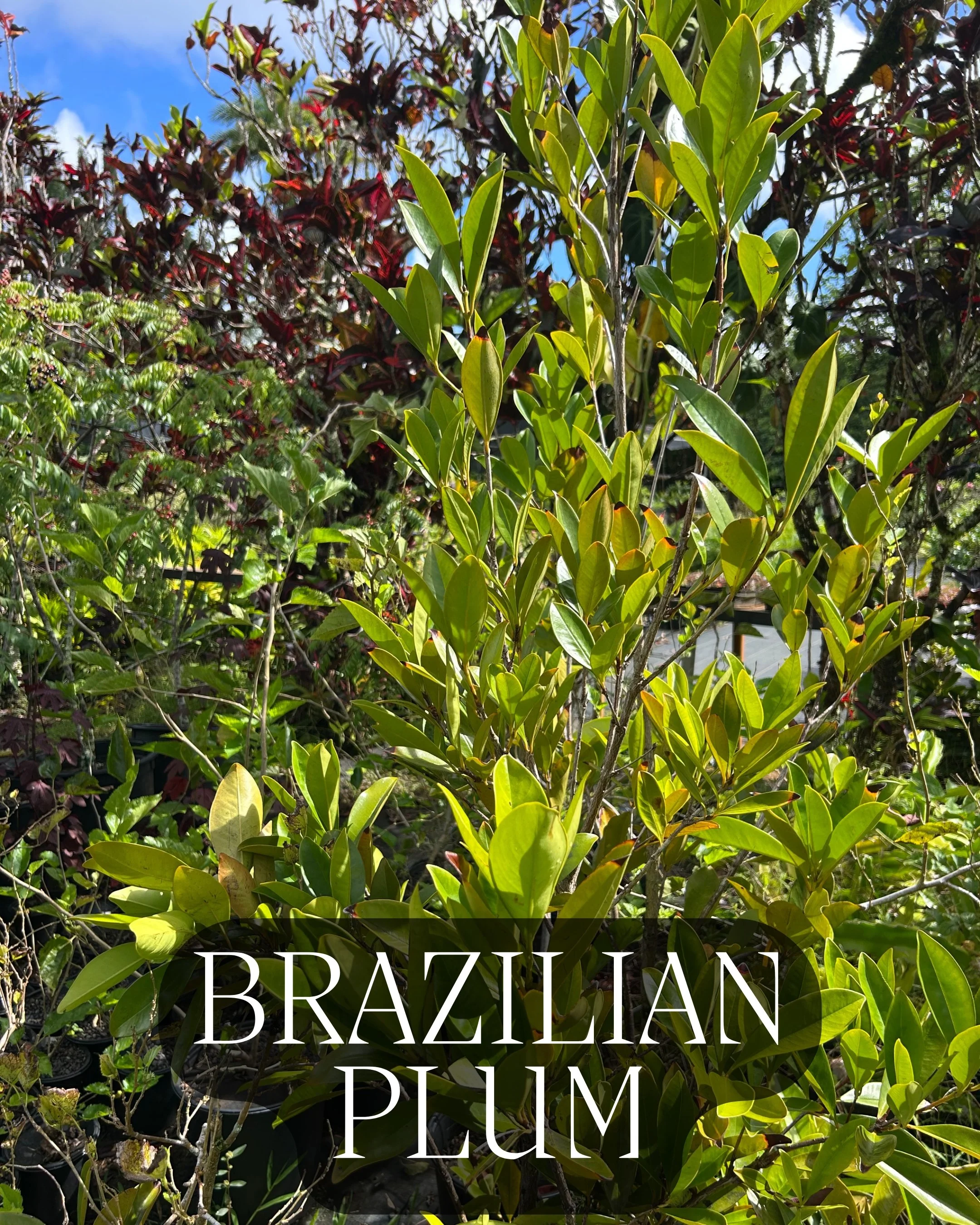
Brazilian Plum- Native to Brazil, this tree is an essential resource for local communities, especially in dry regions, where it is vital for food security. The plum is small and round, and transitions from green to yellow or reddish as it ripens. The skin is leathery with a soft, juicy flesh. The fruit is sweet and aromatic, and can be eaten fresh or made into jams. The Brazilian Plum is used to make a traditional beverage in Brazil called umbuzada. This tree is extremely resilient and can adapt to harsh conditions, making it highly drought-tolerant in dry areas. The tree can reach 20 feet tall and has a wide canopy spread.
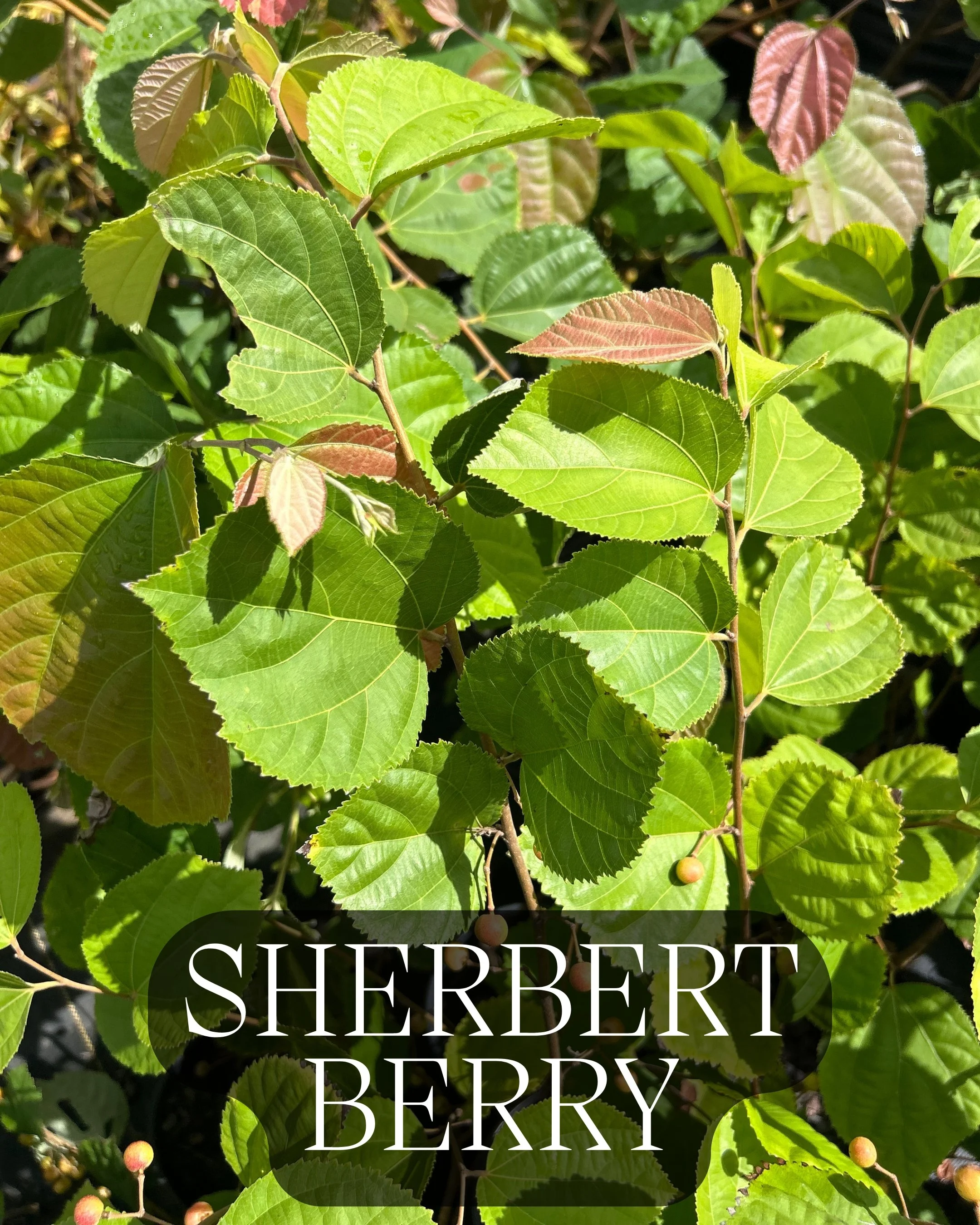
Sherbet Berry- Popular in Southern Asia, the Sherbet Berry produces a fruit similar in appearance to a blueberry. The fruit starts out green before turning red, and then a deep purple to black color once ripe. The fruit is grape-sized and has a sweet and sour taste, with a rich, citrusy tartness. Before fruiting, the branches are covered in clusters of bright yellow flowers. The plant itself is a small tree or shrub that can be grown in the landscape or in a large container.
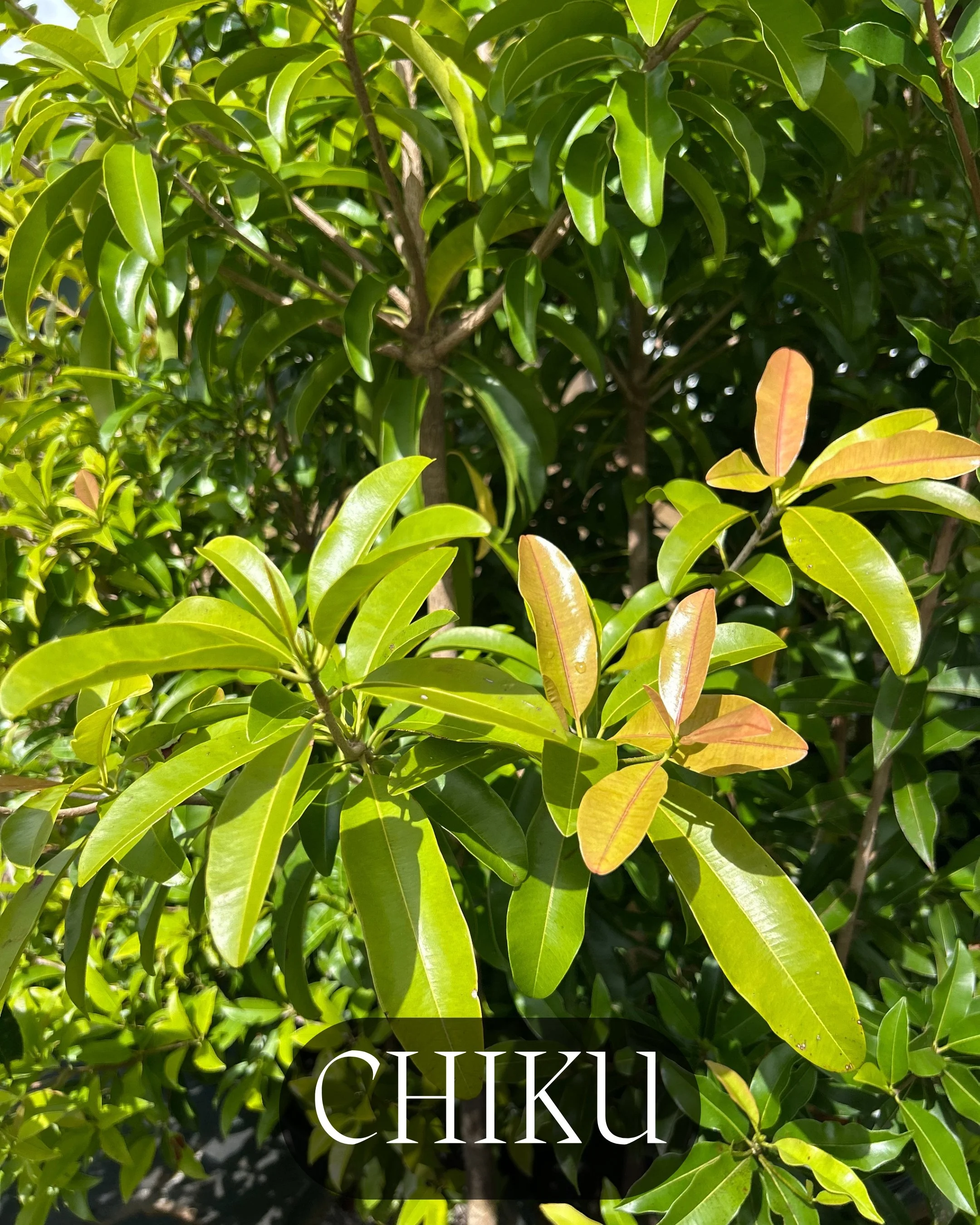
Chiku- Also known as Sapodilla, this versatile, tropical fruit tree has a long lifespan and can produce fruit for 40-50 years! The tree can reach 30 to 40 feet tall and has dark, glossy leaves and small, bell-shaped flowers. The fruit is sweet and nutritious, with rough brown skin and sweet, grainy pulp. Fully ripened fruits are soft and juicy, while fruits picked underripe release latex. The bark of the tree also contains a white, gummy latex called chicle, used historically for making chewing gum! Chiku trees are slow-growing and can take 5 to 8 years to produce fruit. Once they begin producing, they can fruit twice a year, and they can flower year-round. The fruits can be eaten fresh or used in desserts, smoothies, or jams. The tree is considered low-maintenance and can produce fruit for decades!